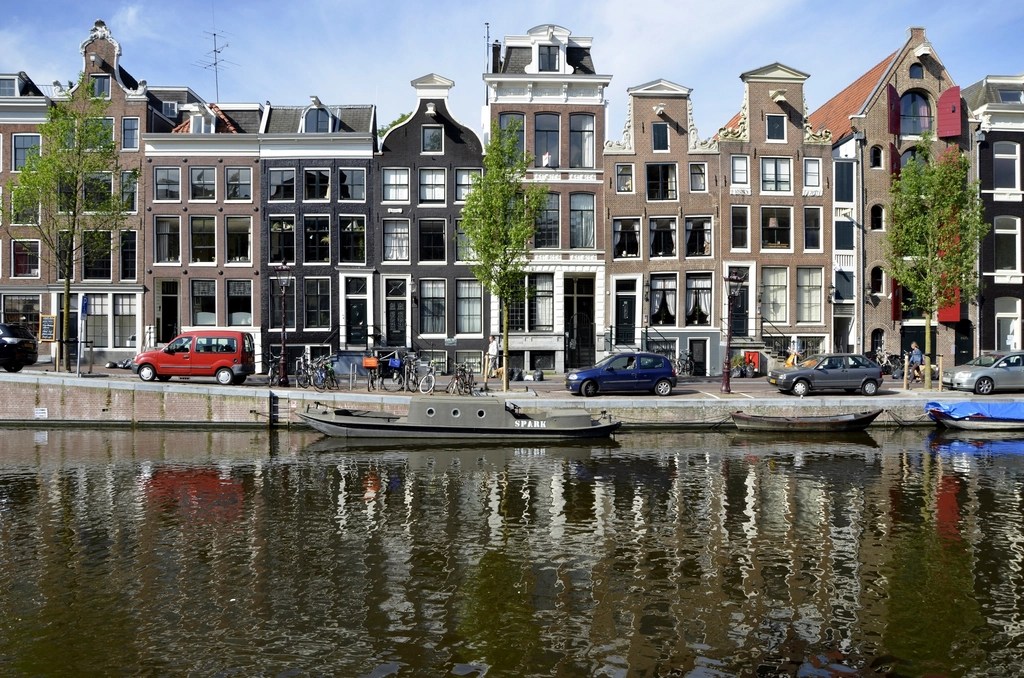
I remember it as if it was yesterday. I had just landed in Schiphol and felt ready to embark in my new life journey in the country.
Then, reality hit hard. The horror. Domino’s Pizza had an ad on their latest product: some sort of ragù on pizza.
That’s when it hit me that the Dutch culinary scene at the time just quite wasn’t like the Italian one. It was, in fact, the beginning of a culture shock. Nonetheless, I was determined to understand the root cause of such state of affairs.
It took me a few years but once you know and understand the historical and cultural context, the pieces of the puzzle will fall into place.
The answer, my dears, was simple: Calvinism.

Calvinism’s Influence in Dutch Cuisine
A branch of Protestantism, Calvinism was founded in the 1500s by John Calvin. In a dietary context, food was merely seen as a fuel to improve work performance and to serve God. Thus, food needed to be frugal, simple, and efficient.
Then come into play stamppot, mashed potatoes with vegetables served with a smoked sausage, and erwtensoep, pea soup.
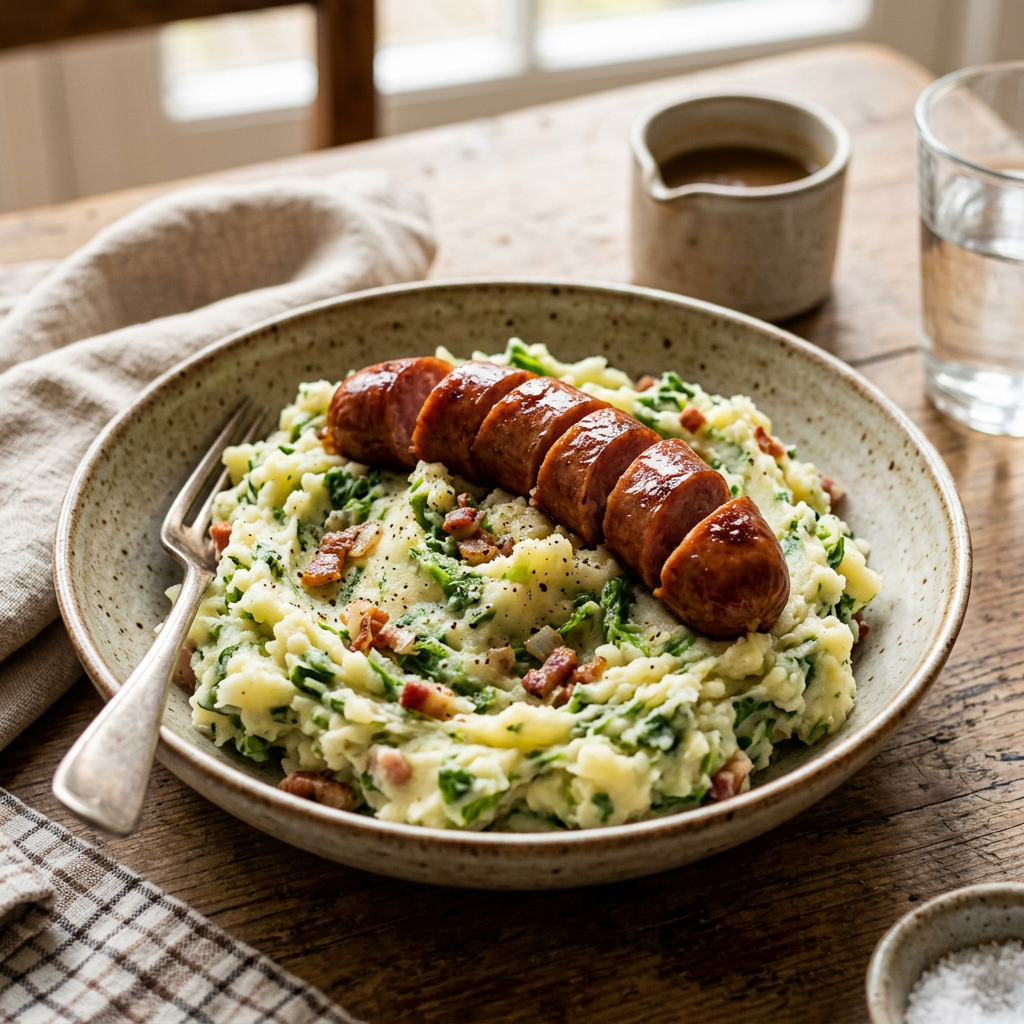
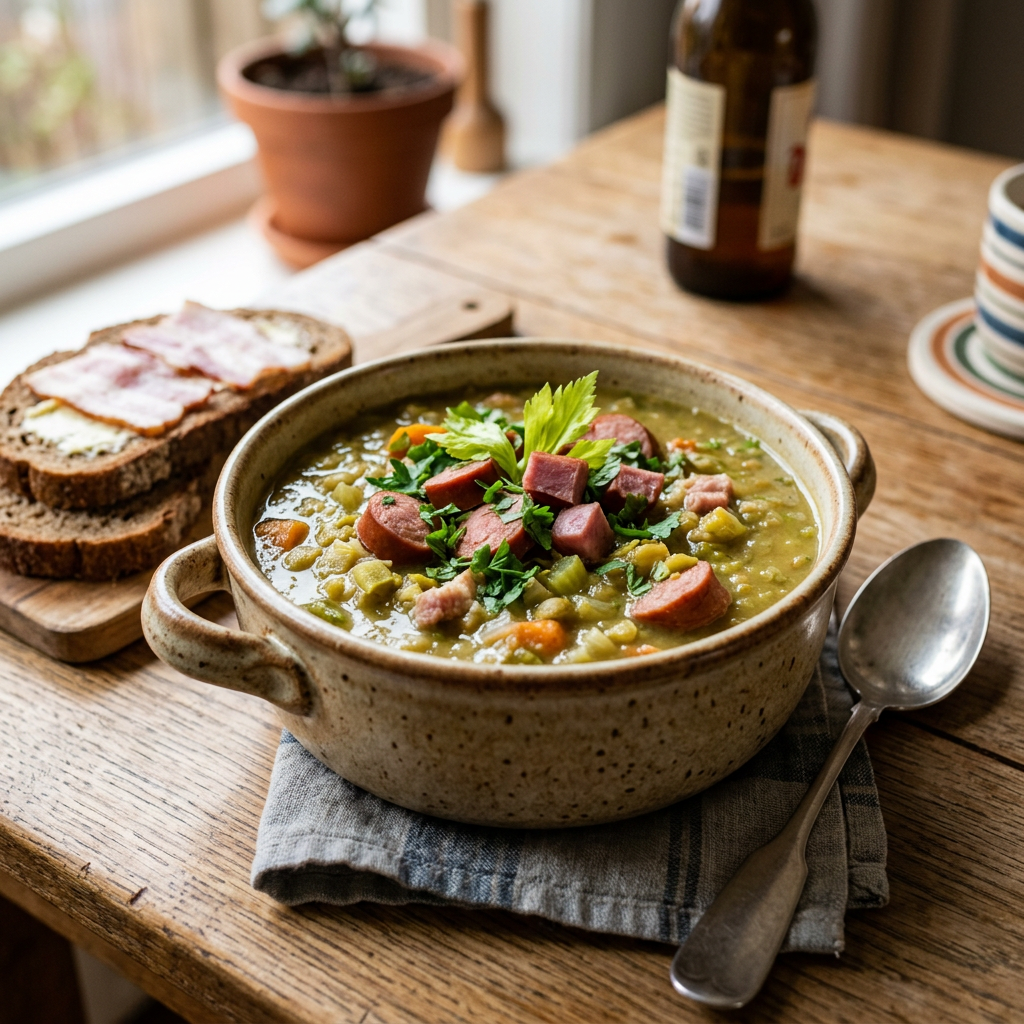
I’ll admit that while they don’t look aesthetically pleasing, they do the job. Especially in winter. I’m with the Dutch on this one.
However, in recent years, I’ve noticed a slow and gradual change in culinary habits. For the better.
Signs of Change
First of all, the Dutch have carved out a worthy space for themselves in the world of aperitifs with their borrel.
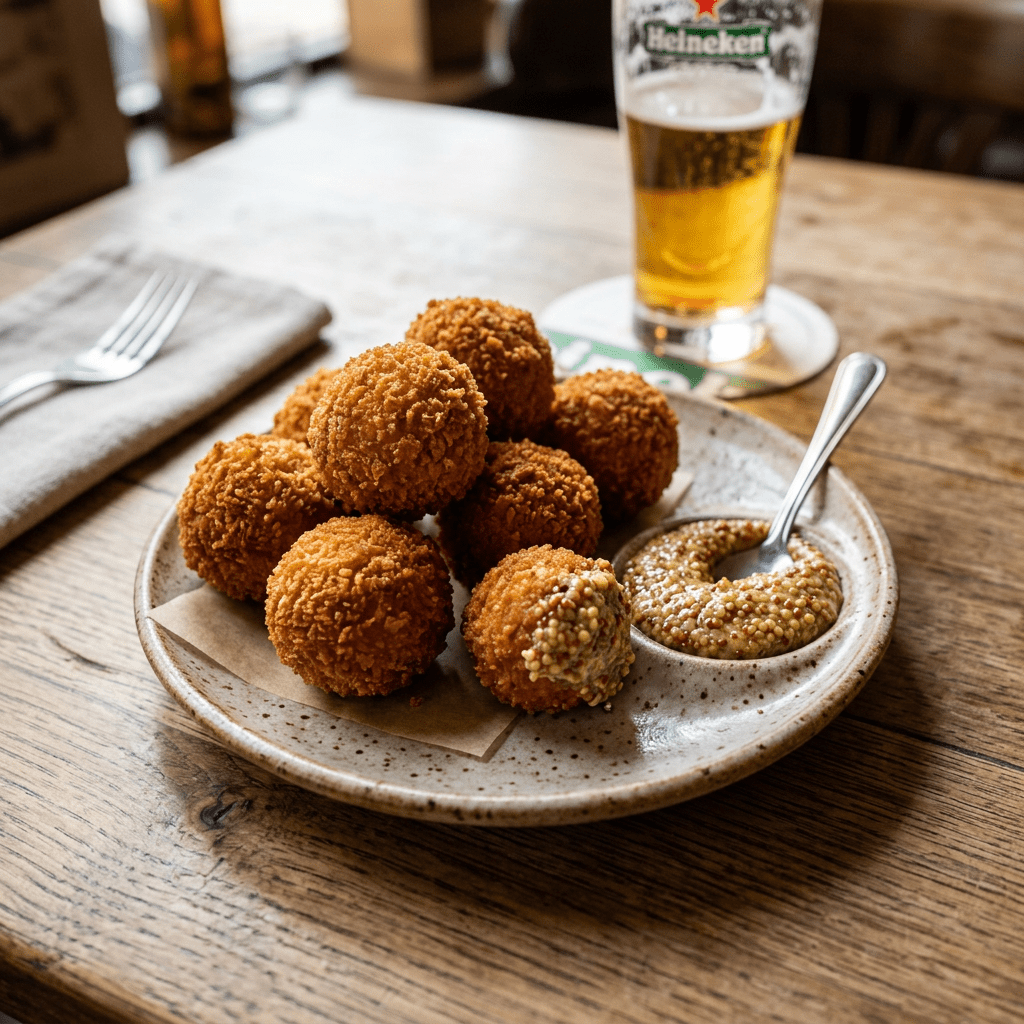
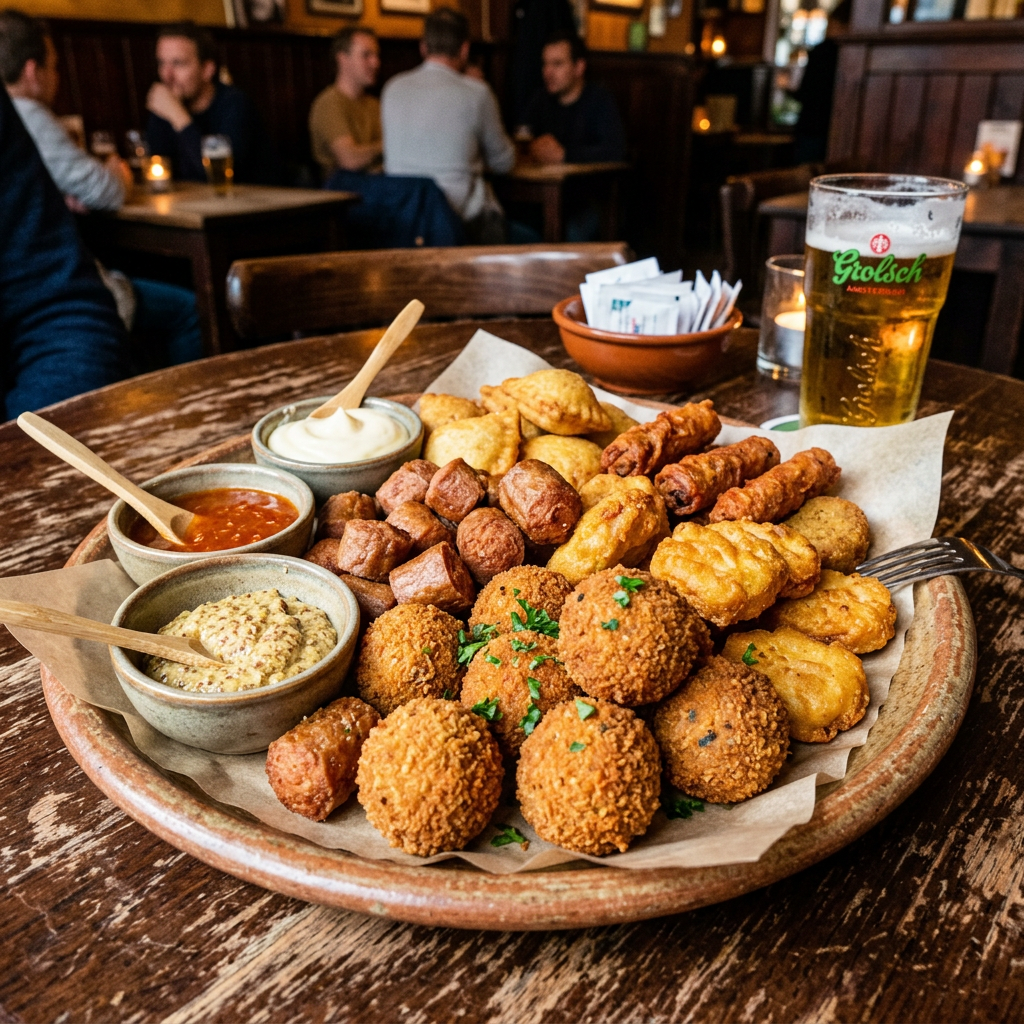
Borrels are a social phenomena and the pinnacle of Dutch sociability: people gather at the bar to order beer and bitterballen. If a Dutch person invites you to such an event, do yourself a favour and go because it’s a great opportunity to get to know your Dutch colleagues/acquaintances better.
I often read on Reddit or hear from other fellow non-Dutchies that they struggle to make local friends. Very easy. If you’re on civilised terms with your Dutch work colleague, mention the magic word borrel.
Bitterballen are often accompanied by olives and blocks of Gouda. If you’re feeling brave, order a bittergarnituur.
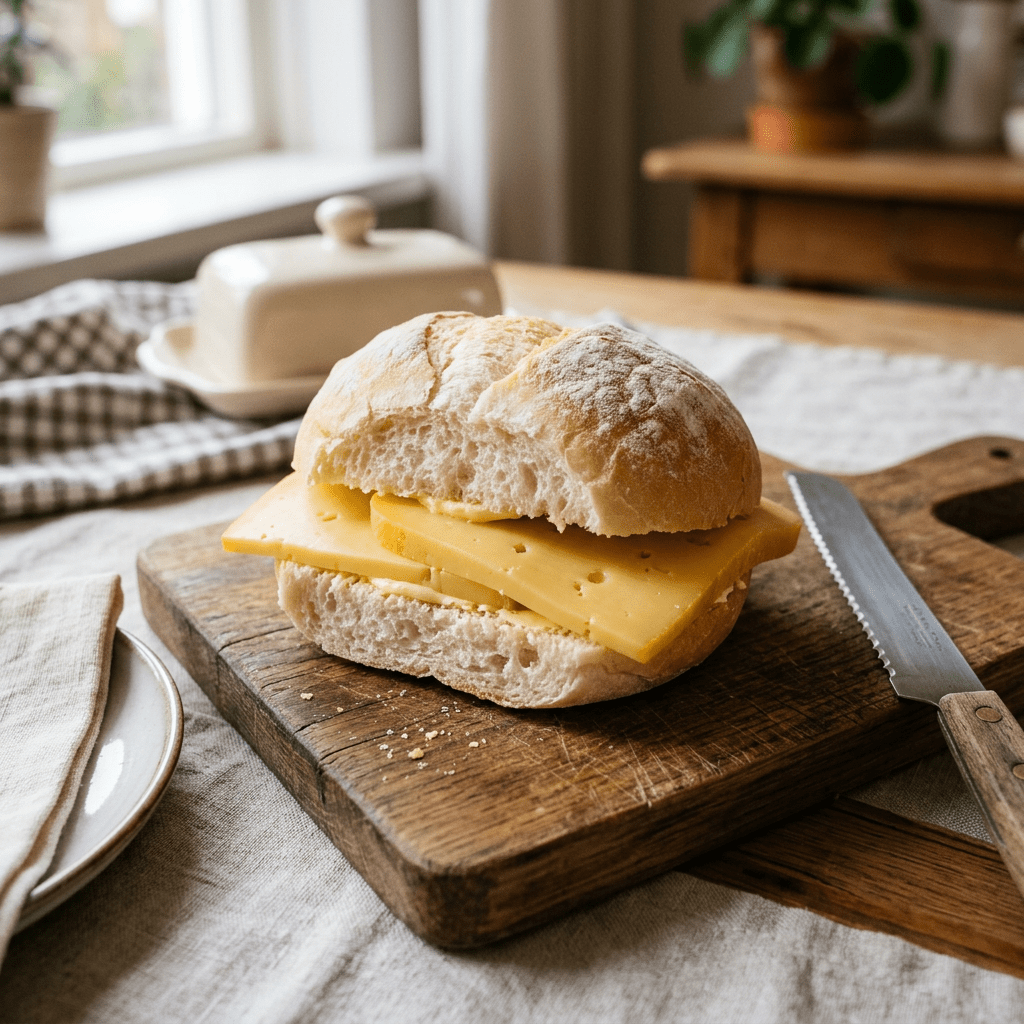
Another phenomenon I’m observing is the diversification of sandwiches. The standard Dutch lunch is the broodje kaas, a piece of Gouda cheese between two slices of bread.
But I’m noticing a change here too. More and more restaurants and bars are offering elaborate sandwiches, some even letting customers be creative. The same goes for salads. Even well-known supermarket chains, like Jumbo and Albert Heijn, offer a range of sandwiches and salads, from the simplest to the most intricate.
Finally, I’m feeling that a general sense of sophistication is developing. There are more brasseries and restaurants opening, offering elegant menus tailored to offer a unique experience. There is also an increase of establishments in Amsterdam that offer traditional dishes with a modern twist.
Therefore, in conclusion, many years ago one might have wondered why the food was so bad. Today, however, I dare say that change is in the air, and I don’t rule out the possibility that the Netherlands will one day become a culinary destination.
Until next time!
 Gooische Eats
Leave a comment