Author: gooischeeats

  • Waar je goede koffie kunt drinken in Bussum

    Waar je goede koffie kunt drinken in Bussum

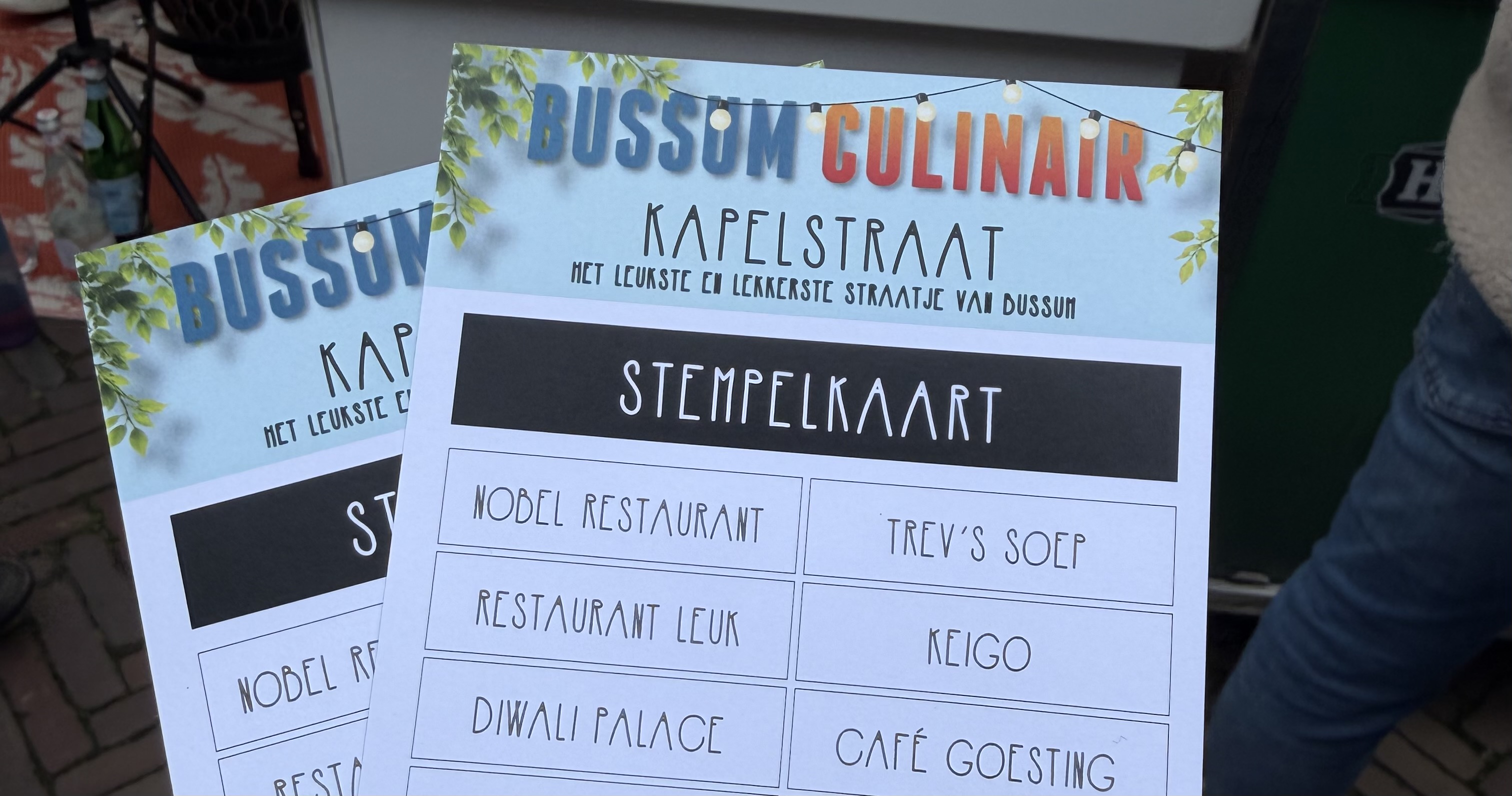
    De laatste tijd ontdek ik steeds meer wat Bussum te bieden heeft. Een mooi voorbeeld hiervan is Bussum Culinair 2026.

    In dit artikel neem ik jullie mee naar een aantal leuke plekken waar je in Bussum van een kopje koffie kunt genieten.

    Ik moet eerlijk zeggen dat ik aangenaam verrast ben door de koffiecultuur in dit charmante dorp. Er zijn niet alleen steeds meer leuke restaurants en cafés te vinden, maar de mensen zijn over het algemeen ook erg vriendelijk!

    Vila Nova Bussum

    Een vleugje Iberia aan de Havenstraat van Bussum.

    De zaak wordt gerund door het leuke Spaans/Costa Ricaans-Nederlandse stel Anahi en Remco, samen met hun team. Hun missie is om de Spaanse smaken naar Het Gooi te brengen.

    Onlangs organiseerden we hier samen met HelloEverybody! Hilversum de allereerste editie van een vermuteo. Het was een gezellige avond en ontzettend leuk om meer over deze Spaanse traditie te leren, want ik had er zelf nog nooit van gehoord!

    Vila Nova organiseert ook andere interessante evenementen, van Spaans oefenen tot proeverijen. Bekijk hun agenda hier.

    Bij Vila Nova kun je genieten van Spaanse specialiteiten zoals jamón ibérico, manchego, wijnen en gebak. Maar wat je ook doet, vergeet vooral niet om hun koffie te proberen. Anahi is hier namelijk een echte expert in! Als je van goede koffie houdt, ben je bij haar in goede handen.

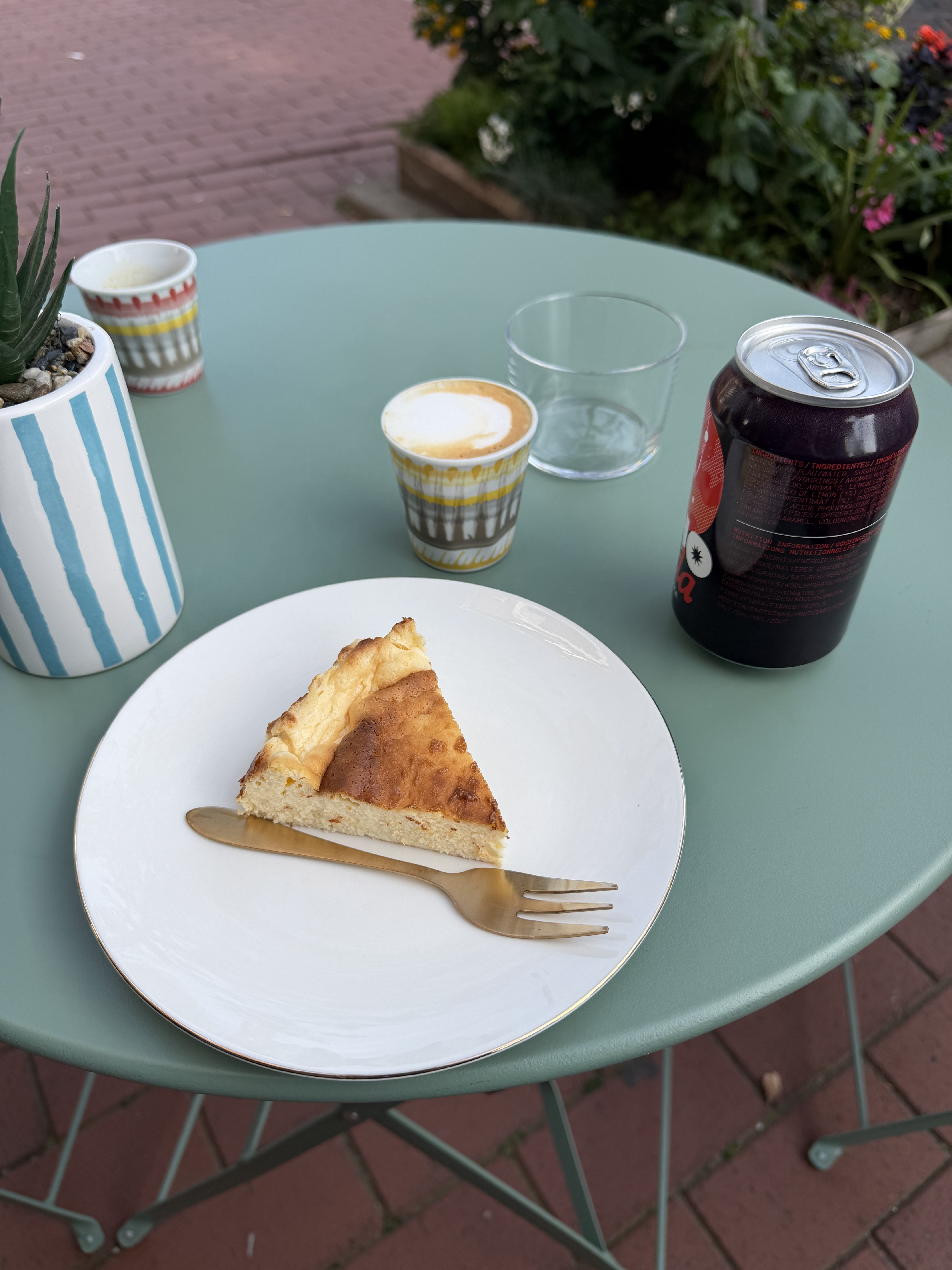
    Zelf genoot ik van een cortado, bereid door Remco, met een stukje Baskische cheesecake. De krachtige koffiesmaak paste heerlijk bij de romige, lichtzure cheesecake.

    Mijn tip? Neem lekker de tijd, geniet van de smaken en van het gezellige gezelschap aan de bar.

    Adres: Havenstraat 3, Bussum

    Cafedaki

    CAFEdaki brengt de Griekse koffiecultuur naar Bussum, samen met traditionele lekkernijen zoals bougatsa, een zoet gebakje gevuld met romige custard, en hartige pasteitjes met spinazie en feta.

    Ik heb inmiddels een paar dingen van hun menu geprobeerd en ben vooral fan van hun cappuccino met bougatsa. Denk aan heerlijk krokant filodeeg aan de buitenkant, met een zachte, romige vulling aan de binnenkant. Samen met een warme kop koffie is dat echt genieten!

    De sfeer is er ontspannen en gezellig. Een fijne plek als je een keer vanuit een café wilt werken of gewoon gezellig met een vriend of vriendin wilt afspreken. Ze verkopen ook Griekse producten, zoals olijfolie en andere bijzondere lekkernijen.

    Geen fan van koffie? Hun matcha is ook erg lekker!

    Adres: Nassaulaan 23, Bussum

    11 O’COFFEE

    Tegenover de Sint-Vituskerk vind je deze leuke, knusse koffiebar en lunchroom.

    Hier nemen ze koffie serieus. 11 O’Coffee serveert zijn eigen koffieblend, van klassieke espresso’s en cappuccino’s tot bijzondere koffiespecialiteiten. Heb je trek gekregen? Dan kun je ook kiezen uit vers belegde broodjes, gebak en lichte lunchgerechten.

    Het café werd in 2020 opgericht door Ahmed Hussain en zet zich sindsdien in voor goede kwaliteit en service. En dat harde werk heeft resultaat opgeleverd: in 2024 won 11 O’Coffee de prijs ECT Awards 2024 – The Winning Specialty Cafe van European Coffee Trip. Ze namen het daarbij op tegen cafés uit onder andere Amsterdam en Den Haag.

    Zelf ben ik erg enthousiast over hun cappuccino en matcha. Je proeft echt de verschillende smaaktonen en merkt hoeveel aandacht er aan de bereiding wordt besteed. En als ik iets lekkers erbij neem, kies ik het liefst voor hun brownies!

    Adres: Brinklaan 102, Bussum

    BLIBCO

    In het hart van Bussum vind je een koffiebar waar koffie meer is dan alleen een drankje.

    BLIBCO werd opgericht door Warren en hecht veel waarde aan eerlijk geproduceerde koffie. Volgens het café werken ze rechtstreeks samen met koffieboeren in Kameroen en Oeganda, om ervoor te zorgen dat de boeren een eerlijke prijs krijgen en de herkomst van de koffie duidelijk is.

    De koffiebonen worden in eigen huis gebrand, waardoor BLIBCO het hele proces van koffieboon tot kopje koffie nauwlettend kan volgen. Naast espresso’s, cappuccino’s en flat whites kun je hier ook genieten van huisgemaakte taarten, gebak en vers bereide ontbijt- en lunchgerechten.

    Wat ik zelf het leukste vind aan deze plek, is de warme en vriendelijke sfeer en de passie voor koffie. BLIBCO ligt bovendien heel centraal, met uitzicht op het plein. Een fijne plek om even te ontsnappen aan de drukte van Bussum of gezellig met vrienden af te spreken.

    Leuk om te weten: BLIBCO verkoopt ook zijn eigen gebrande koffiebonen, zodat je thuis van hun koffie kunt genieten!

    Adres: Havenstraat 118, Bussum

    Wordt vervolgd…

    Wie had gedacht dat Bussum een van de beste specialty coffee-zaken van Nederland heeft? Ik blijf me verbazen over wat ik allemaal ontdek in dit charmante dorp.

    Ik weet dat er nog een paar leuke plekken ontbreken in mijn lijstje. Zodra ik ze zelf heb bezocht, zal ik dit artikel aanvullen. Op mijn lijstje staan momenteel HAZY Coffee, Coffee Culture en Lunchroom Coupé.

    Ken jij nog andere leuke koffieplekjes in Bussum die ik niet mag missen? Laat het me vooral weten!

    Tot de volgende keer!
  • Where To Drink Good Coffee in Bussum

    Where To Drink Good Coffee in Bussum

    Lately I’ve been enjoying what Bussum has to offer. One example is Bussum Culinair 2026.

    Today’s post is about where to enjoy a coffee in Bussum.

    I will admit that I’ve been left very pleasantly surprised at the coffee scene in this charming village. On top of that, not only is the restaurant and cafe scene popping over there, people overall are also friendly.

    Vila Nova Bussum

    Open since this summer, Vila Nova is a Spanish delicatessen located in Havenstraat.

    The establishment is run by a lovely Spanish/Costa Rican-Dutch couple, Anahi and Remco, together with their team. Their mission is to introduce Spanish flavours to Het Gooi.

    In fact, just recently we held the very first edition of “vermuteo” in collaboration with HelloEverybody! Hilversum. It was a gezellig evening and really cool to learn about this custom as I had no clue it existed. The establishment also hosts other interesting events, from practising Spanish to tastings, check out their calendar here.

    While at Vila Nova you can enjoy specialties such as jamón ibérico, manchego, wines, and pastries; whatever you do, don’t miss out on their coffee. Anahì is a master in this field. If you like your coffee you’re in safe hands.

    I enjoyed a cortado prepared by Remco, with a piece of their Basque cheesecake. The bold notes of the coffee blended nicely with the creamy and tangy cheesecake. I recommend to take it easy and enjoy the flavours and good company at the bar.

    Address: Havenstraat 3, Bussum

    Cafedaki

    CAFEdaki brings Greek coffee culture to Bussum, alongside traditional pastries such as bougatsa, a sweet custard-filled pastry, and savoury spinach and feta pies.

    I’ve tried a few items of theirs and I really enjoy their cappuccino with bougatsa. Think crispy flaky philo pastry on the outside, and a delicious creamy custard on the inside paired with a warm coffee. So blissful.

    The atmosphere itself is relaxed, great if you’re looking to work from home at a cafe or hanging out with a friend. They also sell Greek products such as olive oil, and other interesting products.

    Not a fan of coffee? Their matcha is also really good.

    Address: Nassaulaan 23, Bussum

    11 O’COFFEE

    Located in front of Sint-Vituskerk you will find this cute cozy coffee bar and lunchroom.

    Here coffee is taken seriously. 11 O’Coffee serves its own house blend alongside everything from classic espressos and cappuccinos to more indulgent coffee creations. For those feeling peckish, there’s also a selection of freshly prepared sandwiches, pastries and light lunches.

    Founded by Ahmed Hussain in 2020, the cafe has worked hard to offer good quality service and produce. And the results prove it: in 2024, 11 O’Coffee won the “ECT Awards 2024 – The Winning Specialty Cafe” award from European Coffee Trip. Competition included cafes from cities like Amsterdam and The Hague.

    I really like their cappuccino and matcha, it’s definitely an experience when you can taste the notes and appreciate the craft. My favourite treats from them are the brownies!

    Address: Brinklaan 102, Bussum

    BLIBCO

    In the heart of Bussum you can find coffee with a purpose.

    Founded by Warren, the café places particular emphasis on ethically sourced coffee, working directly with farmers in Cameroon and Uganda to ensure fair compensation and traceability.

    The beans are roasted in-house, bringing the journey from farm to cup into focus. Alongside its selection of espressos, cappuccinos and flat whites, BLIBCO serves homemade cakes, pastries and freshly prepared breakfast and lunch.

    What I like the most about this location is the friendly and warm atmosphere and the dedication towards coffee. The location itself is also very central and faces the town square, an excellent place to take a break from the bustle of Bussum or to meet-up with friends.

    FYI: BLIBCO also sells its own roasted beans to take home.

    Address: Havenstraat 118, Bussum

    To Be Continued..

    Who would’ve thought that Bussum was home to one of the country’s best specialty coffee establishments? I’m continuously surprised by what I find in this charming village.

    On that note, I realise that there are a couple of places missing in my list and I will update the list when I’ve tried them. Currently on my list is HAZY Coffee, Coffee Culture, and Lunchroom Coupé.

    Do you think I’m missing any other location? Don’t hesitate to contact me.

    Tot de volgende keer!

  • Michelinsterren & de Nederlandse culinaire renaissance

    Michelinsterren & de Nederlandse culinaire renaissance

    Nederland heeft jarenlang geen al te beste reputatie gehad als het om eten gaat. Nederlanders worden vaak neergezet als mensen die niet zo geïnteresseerd zijn in eten. Volgens velen heeft het calvinisme daar een rol in gespeeld.

    Ter verdediging van Nederland: het is natuurlijk ook niet makkelijk om vergeleken te worden met keukens zoals de Italiaanse of Franse. Aan de ene kant zijn er zeker Nederlandse gerechten die echt de moeite waard zijn om te proberen. Aan de andere kant denk ik dat goede marketing ook een belangrijke rol speelt in de internationale reputatie van een keuken.

    Toch is er door de jaren heen stilletjes iets aan het veranderen. En in positieve zin. Gisteren kwam het nieuws naar buiten dat zeven Nederlandse restaurants hun allereerste Michelinster hebben gekregen.

    Sterren en culinaire roem: wie zijn de ontvangers?

    Bij Sidney, Loenen aan de Vecht — Sidney Heinze

    Wild Atelier, Hoog Soeren — Jonathan Zandbergen

    Rozewied, Kortgene — Noëmie Haentjens & Ferdy van Rijswijk

    Ambrozijn, Valkenburg — Sven Nijenhuis

    Nassau, Groningen — Christian de Vries

    De Cuijt, Mierlo — Yukyung Lee & Koen van Weert

    Le Epifaan, Veeningen — Jarno Eggen

    Wat ik vooral interessant vind, is dat deze restaurants behoorlijk van elkaar verschillen.

    Bij Sidney viert de klassieke gastronomie. Rozewied haalt inspiratie uit het omliggende land en water, maar combineert dit met ideeën die tijdens reizen zijn opgedaan. De Cuijt verwerkt op een slimme manier Koreaanse invloeden in de Franse keuken, terwijl Wild Atelier de Nederlandse traditie van koken met wild op een moderne manier interpreteert. Nassau kiest juist voor een bijna tegenovergestelde aanpak: visueel minimalisme op het bord, waarbij het product zelf centraal staat.

    Ook het vermelden waard: twee restaurants kregen er een extra ster bij. Azurite in Delft en SUIS in Schin op Geul.

    Nederland telt nu 119 restaurants met Michelinsterren: 98 met één ster, 20 met twee sterren en één restaurant met drie sterren.

    De Nederlandse culinaire renaissance en haar nalatenschap

    Het zou niet kloppen om te zeggen dat deze recente successen uit het niets komen. Terwijl Nederland door de jaren heen te maken kreeg met kritiek en harde stereotypen over zijn eetcultuur, werkte een groep chefs hard om te laten zien dat ook hier gastronomie van hoog niveau kan floreren.

    De eerste naam die bij mij opkomt is Jonnie Boer. Samen met Thérèse Boer maakte hij van De Librije in Zwolle een instituut binnen de Nederlandse gastronomie.

    De Nederlandse seizoenen en lokale producten vormen de kern van de filosofie van De Librije. In lijn met die visie worden de ruimtes van het restaurant ook aangekleed met kunstwerken die gasten kunnen kopen. Een complete zintuiglijke ervaring.

    Jonnie wordt gezien als iemand die een hele generatie chefs heeft beïnvloed. Bovendien heeft De Librije onlangs zijn drie Michelinsterren weten te behouden en blijft het het enige driesterrenrestaurant van Nederland.

    Een andere invloedrijke naam binnen de Nederlandse culinaire wereld is Sergio Herman. Hij bracht het restaurant van zijn familie, Oud Sluis, van één Michelinster in 1995 naar uiteindelijk drie sterren.

    Wat ik persoonlijk vooral interessant vind aan Sergio’s verhaal, is de belangrijke rol van Zeeland. Ingrediënten uit de zee en uit het landschap om hem heen werden een belangrijk onderdeel van zijn culinaire identiteit.

    Ook Sidney Schutte heeft een belangrijke invloed. Hij werkte met Jonnie en Thérèse Boer en staat bekend om zijn contrast gastronomy, waarbij hij Europese, Aziatische en Zuid-Amerikaanse smaken met elkaar combineert.

    Schutte behaalde en behield twee Michelinsterren bij Restaurant Spectrum, waar hij Executive Chef was. Op dit moment werkt hij aan zijn nieuwe project The Gym. Ben je in het Gooi? Neem dan ook eens een kijkje bij Rust Wat en Bar Schutte.

    De restaurants die nu hun eerste Michelinster hebben gekregen, voelen daarom niet als losse successen. Ze zijn eerder een nieuw teken van het groeiende zelfvertrouwen binnen de Nederlandse gastronomie.

    Goede dingen komen voor wie kan wachten

    Maar dan komt natuurlijk de vraag: wat betekent dit allemaal voor de horecasector?

    Eigenlijk is het vrij simpel. Michelinrestaurants leggen de lat hoger als het gaat om ingrediënten, wijn, brood, koffie, service, presentatie, duurzaamheid en gastvrijheid. Na verloop van tijd vinden sommige van die verwachtingen ook hun weg naar de rest van de restaurantwereld.

    Daarnaast is er een belangrijk talenteffect. Jonge chefs en andere horecaprofessionals doen ervaring op in gerenommeerde keukens en restaurants. Daarna gaan ze ergens anders werken en sommigen beginnen uiteindelijk hun eigen zaak. Sidney Schutte werkte bijvoorbeeld voor Jonnie Boer en is inmiddels zelf een pionier binnen de Nederlandse gastronomie.

    Ten slotte zorgt deze ontwikkeling voor nieuwe standaarden binnen de horeca. Er komt meer aandacht voor sfeer, productkwaliteit, presentatie, een goed samengesteld menu, betere service en de totale ervaring van de gast.

    Gefeliciteerd aan alle bekroonde restaurants.

  • Stelle Michelin e il Rinascimento culinario olandese

    Stelle Michelin e il Rinascimento culinario olandese

    Per anni, i Paesi Bassi hanno una pessima reputazione quando si parla di cucina. Gli olandesi vengono spesso stereotipati come un popolo poco interessato al cibo, e molti attribuiscono questa caratteristica all’influenza del calvinismo.

    Spezzando una lancia in favore, non è facile reggere il confronto con cucine come quella italiana o francese. Da una parte, ci sono effettivamente alcuni piatti davvero buoni che vale la pena provare; dall’altra, credo che entri in gioco anche un marketing strategico ed efficace.

    Eppure, nel corso degli anni, qualcosa ha iniziato silenziosamente a cambiare. E in meglio. Proprio ieri è arrivata la notizia che sette ristoranti olandesi hanno conquistato la loro prima stella Michelin.

    Stelle e gloria culinaria: chi sono i premiati?

    Bij Sidney, Loenen aan de Vecht — Sidney Heinze

    Wild Atelier, Hoog Soeren — Jonathan Zandbergen

    Rozewied, Kortgene — Noëmie Haentjens & Ferdy van Rijswijk

    Ambrozijn, Valkenburg — Sven Nijenhuis

    Nassau, Groningen — Christian de Vries

    De Cuijt, Mierlo — Yukyung Lee e Koen van Weert

    Le Epifaan, Veeningen — Jarno Eggen

    La parte davvero affascinante è che questi ristoranti presentano delle differenze notevoli tra di loro. Bij Sidney celebra la gastronomia classica. Rozewied guarda al territorio e alle acque che lo circondano, incorporando al tempo stesso ispirazioni raccolte durante i viaggi. De Cuijt incorpora influenze coreane nella cucina francese, mentre Wild Atelier reinterpreta la tradizione olandese della selvaggina. Nassau, invece, segue una filosofia quasi opposta, abbracciando il minimalismo visivo nel piatto e lasciando che sia il prodotto ad essere il vero protagonista.

    Vale inoltre la pena sottolineare che due ristoranti hanno conquistato una stella aggiuntiva: Azurite a Delft e SUIS a Schin op Geul.

    I Paesi Bassi contano oggi 119 ristoranti stellati Michelin: 98 con una stella, 20 con due stelle e uno con tre.

    Il Rinascimento Culinario Olandese e la sua Eredità

    Sarebbe sbagliato affermare che questi recenti riconoscimenti siano arrivati dal nulla. Nel corso degli anni, mentre i Paesi Bassi facevano i conti con critiche e stereotipi poco lusinghieri sulla propria cucina, un gruppo di chef ha lavorato duramente per dimostrare che anche qui l’alta gastronomia può svilupparsi.

    Il primo nome che viene in mente è quello di Jonnie Boer. Insieme a Thérèse Boer, ha trasformato De Librije, a Zwolle, in una vera e propria istituzione della gastronomia olandese. Al centro della sua filosofia ci sono le stagioni dei Paesi Bassi e i prodotti del territorio. In linea con questa visione, il ristorante arricchisce i propri spazi con opere d’arte che possono anche essere acquistate dagli ospiti. Un vero e proprio viaggio sensoriale a 360 gradi.

    A Jonnie viene riconosciuto il merito di aver contribuito a formare un’intera generazione di chef. Inoltre, De Librije è riuscito di recente a mantenere le sue tre stelle Michelin e rimane l’unico ristorante tristellato dei Paesi Bassi.

    Un’altra figura di grande influenza che ha contribuito a plasmare la scena gastronomica olandese è Sergio Herman. Ha portato il ristorante di famiglia, Oud Sluis, da una stella Michelin nel 1995 fino a conquistarne tre. Ciò che trovo particolarmente interessante nel caso di Sergio è il ruolo fondamentale svolto dalla Zelanda (Zeeland). Gli ingredienti provenienti dal mare e dal territorio che lo circondava sono diventati parte integrante della sua identità culinaria.

    Un’altra figura di grande rilievo è Sidney Schutte, che ha lavorato al fianco di Jonnie e Thérèse Boer. Conosciuto per la sua contrast gastronomy, abbina sapori europei, asiatici e sudamericani. Schutte ha conquistato e mantenuto due stelle Michelin al Restaurant Spectrum, dove ha ricoperto il ruolo di Executive Chef.

    Al momento sta lavorando sul suo prossimo progetto, The Gym. Se vi capita di trovarvi nella zona del Gooi, date un’occhiata a Rust Wat e Bar Schutte.

    Quindi, i ristoranti che hanno recentemente conquistato una stella Michelin sembrano rappresentare non tanto dei successi isolati, quanto un ulteriore segnale della crescente fiducia nella gastronomia olandese.

    Le cose belle arrivano a chi sa aspettare


    Ma a questo punto una domanda potrebbe sorgere: «Che impatto sta avendo tutto questo sul settore horeca?»

    La risposta è semplice. I ristoranti Michelin contribuiscono ad alzare le aspettative per quanto riguarda ingredienti, vino, pane, caffè, servizio, presentazione, sostenibilità e ospitalità. Con l’avanzare del tempo, alcune di queste aspettative finiscono inevitabilmente per influenzare anche il mercato della ristorazione più ampio.

    C’è poi l’effetto sul talento. Giovani chef e professionisti dell’ospitalità si formano in cucine e locali di alto livello, per poi proseguire altrove la propria carriera e, in alcuni casi, aprire una propria attività. Sidney Schutte, ad esempio, ha lavorato con Jonnie Boer e oggi sta tracciando una strada tutta sua.

    Infine, tutto ciò contribuisce a stabilire nuovi standard nel settore dell’ospitalità. Aumenta l’attenzione e la cuta verso l’atmosfera, la qualità dei prodotti, la presentazione, l’ottimizzazione del menù, il livello del servizio e molto altro ancora.

    Congratulazioni a tutti i ristoranti premiati.

  • Michelin Stars & the Dutch Culinary Renaissance

    Michelin Stars & the Dutch Culinary Renaissance

    For years, The Netherlands has had a less-than-flattering reputation when it comes to food. The Dutch consistently get stereotyped as not being interested in food, with many citing Calvinism as being the reason why.

    In the country’s defence, it’s not easy to be compared to other cuisines such as the Italian or French ones. On the one hand, there are some legitimately good dishes that are worth trying; on the other hand, I think there is also very good marketing.

    However, over the years, something has been quietly changing. For the better. Yesterday, news broke out that seven Dutch restaurants received their very first Michelin star.

    Stars and Culinary Glory: Who Are the Recipients?

    Bij Sidney, Loenen aan de Vecht — Sidney Heinze

    Wild Atelier, Hoog Soeren — Jonathan Zandbergen

    Rozewied, Kortgene — Noëmie Haentjens & Ferdy van Rijswijk

    Ambrozijn, Valkenburg — Sven Nijenhuis

    Nassau, Groningen — Christian de Vries

    De Cuijt, Mierlo — Yukyung Lee & Koen van Weert

    Le Epifaan, Veeningen — Jarno Eggen

    The truly fascinating part is that these establishments are quite diverse from one another. Bij Sidney celebrates classical gastronomy. Rozewied looks towards the surrounding land and waters while incorporating inspiration gathered through travel. De Cuijt cleverly incorporates Korean influences into French cooking, while Wild Atelier reinterprets the Dutch tradition of cooking with game. Meanwhile, Nassau takes almost the opposite approach in embracing visual minimalism on the plate and allowing the product to take centre stage.

    It’s also worthy of note that two restaurants added an additional star: Azurite in Delft and SUIS in Schin op Geul.

    The Netherlands now has 119 Michelin-starred restaurants: 98 with one star, 20 with two stars, and one with three.

    The Dutch Culinary Renaissance and Its Legacy

    It would be wrong to say that these recent accolades appeared out of nowhere. Over the years, while The Netherlands has been handling criticisms and harsh stereotypes on its food, a group of chefs has been working hard to prove that serious gastronomy can thrive here.

    The first name that comes into mind is Jonnie Boer. Together with Thérèse Boer, he transformed De Librije in Zwolle into an institution of Dutch gastronomy. The core inspiration are the Dutch seasons and its local produce. In line with its philosophy, the restaurant decorates its spaces with artwork that is also available for purchase. A full sensory journey.

    Jonnie is credited to have shaped an entire generation of chefs. Also, De Librije has recently managed to keep its three stars and remains the country’s only three-star restaurant.

    Another influential figure that shaped the Dutch cuisine scene is Sergio Herman. He took his family’s restaurant, Old Sluis, from one Michelin star in 1995, to three. What I find the most interesting in Sergio’s case is how Zeeland plays an important part. Ingredients from the sea and the landscape around him became part of his culinary identity.

    Another important influence is Sidney Schutte, who worked with Jonnie and Thérèse Boer. Known for his contrast gastronomy, he pairs European, Asian and South American flavours. Schutte has earned and maintained two Michelin stars at Restaurant Spectrum, where he was Executive Chef. He is currently working on his upcoming project The Gym; if you are in the Gooi area, check out Rust Wat and Bar Schutte.

    Therefore, the latest recipients of their Michelin stars feel less like an isolated success and more like another sign of confidence in Dutch gastronomy.

    All Good Things Come to Those who Wait

    But now the question might be “How is this all impacting the horeca sector?”

    Simple, Michelin restaurants raise expectations around ingredients, wine, bread, coffee, service, presentation, sustainability and hospitality, some of those expectations eventually filter down into the broader restaurant market.

    There’s also a talent effect. Young chefs and hospitality professionals train in highly regarded kitchens and venues, move elsewhere and eventually open their own businesses. Sidney Schutte worked for Jonnie Boer and is now trailblazing in his own right.

    Lastly, it sets new standards in the hospitality sector. Suddenly there’s an understanding around atmosphere, product quality, presentation, optimising the menu, improved service, and so on.

    Congratulations to all establishments.

  • Fat Kee: een budgetvriendelijke favoriet in Den Haag

    Fat Kee: een budgetvriendelijke favoriet in Den Haag

    Lang geleden was ik een blutte rechtenstudent in Den Haag.

    Dat betekende dat het essentieel was om betaalbare plekken te vinden waar ik lekker kon eten. Een restaurant dat al snel een vaste favoriet werd, was Fat Kee.

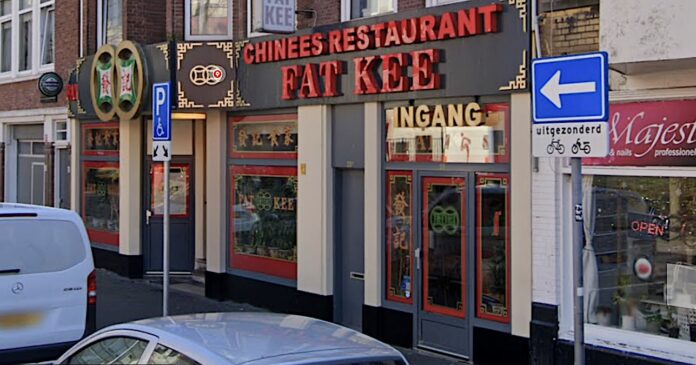
    Fat Kee, gevestigd aan de Gedempte Gracht 23, heeft tegenwoordig eigenlijk geen introductie meer nodig. De zaak heeft inmiddels een bijna legendarische status, en wat mij betreft volledig terecht. Het restaurant ligt in de Chinatown van Den Haag, een historische buurt waar in de jaren vijftig de eerste Chinese restaurants hun deuren openden.

    Fat Kee serveert voornamelijk Chinees-Kantonese gerechten, maar op de kaart vind je ook Indonesische en Surinaamse opties.

    Niet alleen zijn de prijzen betaalbaar en de porties groot, Fat Kee was vroeger ook tot heel laat open, tot 1 uur. Toen ik net in Nederland woonde, vond ik het lastig dat er na 20.00 uur maar weinig plekken waren waar je nog terechtkon. Veel keukens sloten rond 21.00 uur en de restaurants zelf niet veel later, waardoor ik vaak snel moest bestellen. En zelfs vandaag de dag neem ik graag mijn tijd.

    Ik zeg bewust “was vroeger”, want Google geeft momenteel aan dat Fat Kee om 21.30 uur sluit, terwijl op hun eigen website 1 uur staat vermeld. Het is dus altijd verstandig om de openingstijden vooraf even te controleren.

    Meer dan tien jaar later is een van mijn favoriete gerechten bij Fat Kee nog steeds hun nasi goreng met ei, ham en vlees. Met de prijzen van tegenwoordig kost dit gerecht ongeveer €7,20, en de portie is zo groot dat je meestal nog genoeg overhoudt om mee naar huis te nemen. Hieronder zie je een voorbeeld. In mijn studententijd, rond 2017, kostte hetzelfde gerecht me ongeveer vijf euro.

    Het restaurant zit vrijwel altijd vol, maar op de een of andere manier weet het personeel toch altijd een plekje voor je te vinden. De bediening is snel, dus zelfs als je even moet wachten op een tafel, is de kans groot dat het niet lang duurt.

    Ja, hun menukaart is groot, maar eigenlijk is alles even lekker. Weet je niet goed wat je moet kiezen? Vraag het personeel gerust om advies. Laat vooral weten hoe pittig je kunt eten en of je liever vlees of vegetarisch/veganistisch eet. De bediening doet de rest.

    Door de jaren heen heb ik heel wat gerechten van de kaart geprobeerd. Hier at ik voor het eerst wontonsoep, hun Peking-eend is fantastisch en de tjauw min is werkelijk een droom. Ook hiervan vind je hieronder een voorbeeld.

    Om eerlijk te zijn weet ik niet eens meer precies hoe ik Fat Kee oorspronkelijk heb ontdekt. Wat ik me wel herinner, is dat ik het al vrij snel na mijn komst ontdekte, want door de jaren heen heb ik er heel wat vrienden en familieleden mee naartoe genomen. Misschien was ik gewoon op zoek naar iets betaalbaars om laat op de avond te eten en kwam ik er puur toevallig terecht.

    Mijn beste vriendin en ik praten nog steeds af en toe over Fat Kee en de momenten die we hier samen hebben beleefd. Die herinneringen zijn onbetaalbaar.

    Het enige wat ze niet serveren, zijn desserts. Dat vind ik ergens jammer, maar tegelijkertijd begrijp ik het ook. De menukaart is al enorm uitgebreid met voorgerechten en hoofdgerechten; desserts erbij zou misschien gewoon te veel worden.

    Gelukkig zat er direct naast Fat Kee een Chinese bakkerij genaamd QQ Bakery, tegenwoordig Liu&U. Daar kon ik meestal voor een heel redelijke prijs nog een lekker gebakje halen.

    Hoewel ik tegenwoordig in Hilversum woon, is Fat Kee nog steeds een van de eerste restaurants die bij me opkomt wanneer ik de kans krijg om Den Haag te bezoeken of wanneer iemand me vraagt waar je daar lekker kunt eten. Natuurlijk zijn er in de buurt nog andere goede Chinese en Indonesische restaurants, daar zal ik in de toekomst zeker nog over schrijven, maar juist deze plek is voor mij bijzonder.

    In de toekomst zal ik natuurlijk ook andere plekken delen waar ik als student graag kwam, vooral de budgetvriendelijke adresjes. Zoals ze zeggen: sharing is caring. Maar voor nu, tot de volgende keer!

  • Fat Kee: un locale cinese economico da non perdere all’Aia

    Fat Kee: un locale cinese economico da non perdere all’Aia

    Molti anni fa ero una studentessa di giurisprudenza squattrinata all’Aia.

    Questo significava che trovare posti economici dove poter mangiare bene era fondamentale. Uno dei locali che divenne rapidamente un mio punto di riferimento fu Fat Kee.

    Situato in Gedempte Gracht 23, Fat Kee ormai non ha bisogno di presentazioni, guadagnandosi negli anni uno status praticamente leggendario, e a mio parere più che meritato. Il ristorante si trova nella Chinatown della città, una zona storica dove i primi ristoranti cinesi iniziarono ad aprire negli anni Cinquanta.

    Fat Kee propone principalmente cucina cinese-cantonese, affiancata anche da piatti di ispirazione indonesiana e surinamese.

    Il ristorante non solo offre prezzi accessibili e porzioni abbondanti, ma rimaneva aperto fino a tarda notte, addirittura fino all’una. Quando sono arrivata nei Paesi Bassi, per me era difficile abituarmi al fatto che dopo le 20:00 fosse complicato trovare posti dove mangiare anche perché molte cucine chiudevano presto, intorno alle 21:00, e i ristoranti poco dopo. Mi ritrovavo quindi a dover ordinare in fretta. E io, ancora oggi, preferisco prendermela con calma.

    Preciso che dico “rimaneva” perché, al momento, Google indica come orario di chiusura le 21:30, mentre il sito del ristorante riporta ancora l’1:00 di notte. Sarebbe meglio quindi controllare gli orari prima di andarci (ed evitare brutte sorprese)

    Più di dieci anni dopo, uno dei piatti che continuo a ordinare più volentieri da Fat Kee è il loro nasi goreng con uovo, prosciutto e carne (ei, ham en vlees). Nell’economica di oggi, il piatto costa circa € 7,20, e la porzione è talmente abbondante che normalmente ne avanza abbastanza da portare a casa. Qui sotto potete vedere un esempio. Ai tempi dell’università, intorno al 2017, lo stesso piatto mi costava circa 5 euro.

    Anche se il ristorante è sempre pieno, in qualche modo il personale riesce sempre a trovarti un posto. Il servizio è veloce, quindi anche quando bisogna aspettare prima di sedersi, l’attesa non è lunga

    Sì, il loro menù è decisamente ampio, ma è difficile sbagliare. Ci sono davvero tante opzioni buone tra cui scegliere. E se non sapete cosa ordinare, chiedete pure consiglio al personale. Assicuratevi soltanto di specificare quanto tollerate il piccante e se preferite carne oppure opzioni vegetariane o vegane. Al resto ci penseranno i camerieri.

    Negli anni ho esplorato parecchi piatti del loro menù. È proprio qui che ho assaggiato per la prima volta la zuppa di wonton, ho provato anche la loro anatra alla pechinese (superba), e il tjauw min è semplicemente eccellente. Anche in questo caso, date un’occhiata qui sotto per farvi un’idea.

    Se posso essere onesta, non sono nemmeno sicura di ricordare come abbia scoperto Fat Kee. Quello che ricordo è che fu una scoperta quasi immediata, perché nel corso degli anni ci ho portato diversi amici e familiari. Forse ero semplicemente alla ricerca di qualcosa di economico da mangiare a tarda sera e, per puro caso, mi sono imbattuta in questo locale.

    Io e la mia migliore amica parliamo ancora ogni tanto di Fat Kee e dei momenti trascorsi insieme qui. Momenti come questi non hanno prezzo.

    L’unica cosa che non troverete sono i dolci. Da una parte è un peccato, ma dall’altra posso capirne il motivo. Il menù è già vasto tra antipasti e piatti principali, quindi aggiungere anche i dessert forse sarebbe davvero troppo.

    Non preoccupatevi, proprio accanto a Fat Kee c’era una panetteria/pasticerria cinese accanto al ristorante chiamata QQ Bakery, oggi diventata Liu&U. Di solito passavo di lì per prendere un dolcetto a un prezzo conveniente.

    Anche se oggi vivo a Hilversum, ogni volta che ho l’occasione di tornare all’Aia, o qualcuno mi chiede dove andare a mangiare in città, Fat Kee è sempre una delle prime risposte che mi vengono in mente. Naturalmente nei dintorni ci sono anche altri ottimi ristoranti cinesi e indonesiani, e ne parlerò in futuro; ma questo posto, in particolare, ha per me qualcosa di speciale.

    E naturalmente condividerò anche altri locali, soprattutto economici, che frequentavo ai tempi dell’università. Dopotutto, come si dice, condividere è prendersi cura degli altri. Ma per ora, tot de volgende keer!

  • Fat Kee: A Budget-Friendly Favourite in Den Haag

    Fat Kee: A Budget-Friendly Favourite in Den Haag

    Many moons ago, I used to be a broke law student in Den Haag.

    That meant that finding affordable places where to enjoy a meal was vital. One location that quickly became a staple was Fat Kee.

    Located in Gedempte Gracht 23, Fat Kee doesn’t need intros as its status nowadays is legendary and they deserve it. Located in the city’s Chinatown, the restaurant is situated in a historic area where the first Chinese eateries opened in the 1950’s. They offer Chinese-Cantonese cuisine, with Indonesian and Surinamese options as well.

    Not only do they have affordable prices and large portions, they (used to) stay open until very late (1am). When I first arrived in The Netherlands, it was difficult to find places open after 8pm because kitchens would close early, 9pm, and restaurants soon after so I had to order things fast. And, still to this day, I like to take my time.

    I say (used to) in brackets because Google says they close at 9:30pm; whereas their website states at 1am. Always best to check.

    More than ten years later, one of my favourite dishes to order at Fat Kee is their nasi goreng with egg, ham and meat (ei, ham en vlees). In today’s economy the dish sets you back around EUR7,20 and they give you enough to take back home. Below is a reference. In my uni days (ca. 2017), this would set me back around 5 euros.

    The restaurant is always packed, but somehow staff will always find a place for you. Service is fast, so even if you have to wait to be seated chances are that you don’t have to for long.

    Yes, their menu is quite big but everything is equally delicious and if you’re unsure about what to pick, ask staff. Just make sure to let them know your spice tolerance and your preference between meat and vegetarian/vegan. The waiters/waitresses will do the rest.

    I’ve explored several items on their menu. I’ve tried wanton soup for the very first time here, their Peking Duck is superb, and the tjauw ming is just a dream. Again, see below for reference.

    I’m not even sure how I discovered Fat Kee in the first place to be honest. What I do remember was that it was an early and quick discovery, because I’ve brought many friends and family here. Maybe it was because I was on the hunt for something affordable to eat, late in the evening, and just by sheer chance I found them.

    Me and my best friend still occasionally talk about the restaurant and the moments we had together here. These are priceless.

    The only thing they don’t do is dessert, which I think is a pity but I also understand why at the same time. They have an extensive menu with appetizers and mains, desserts could be too much.

    Nonetheless, there was a Chinese bakery conveniently placed right next door to Fat Kee called QQ Bakery, now Liu&U. Usually I could get a pastry for a very reasonable price.

    Even though I live in Hilversum nowadays, whenever I have the chance to visit The Hague, or someone asks me for recommendations on where to eat there, one of my first immediate answers will always be Fat Kee. There are of course other great Chinese/Indonesian restaurants nearby, and I will discuss that in future, but this location in particular is special to me.

    Of course in future I will share other locations, especially budget-friendly, that I used to go to as a student. They say sharing is caring. But for now, tot de volgende keer!

  • Smaken van Het Gooi: Bussum Culinair 2026

    Smaken van Het Gooi: Bussum Culinair 2026

    Een tijdje geleden scrolde ik door Instagram toen mijn oog viel op een evenement genaamd Bussum Culinair.

    (more…)
  • Flavours of Het Gooi: Bussum Culinair 2026

    Flavours of Het Gooi: Bussum Culinair 2026

    A little while ago, I was scrolling through Instagram when I came across an event called Bussum Culinair caught my attention.

    (more…)